Loader Attachments
Rockland Manufacturing supports dealers with U.S.-manufactured loader attachments built for production work, material control, cleanup, stockpiling, snow removal, waste handling and site support. From high-capacity buckets and loader forks to grapples and specialty tools, Rockland gives dealers a broad attachment lineup backed by machine compatibility, practical application support and 24/7 real-time dealer quoting.
ALL PRODUCTS
-
Utility Construction Fork
-
Heavy Duty Construction Fork
-
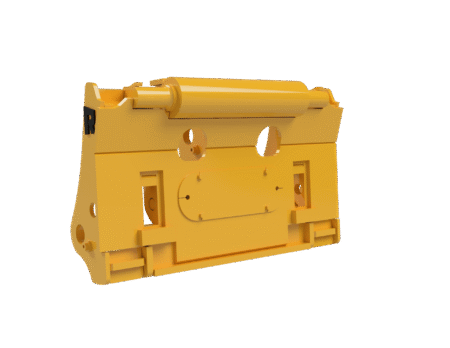
Heavy Duty Rocklock Coupler
-
Quick Hook Blanks
-
Rocklock® Loader Coupler
-
Severe Duty Rocklock Coupler
-
Vertical Pin Rocklock Coupler
-
General Purpose Performance Style Bucket
-
Backfill Angle Blade
-
Bale Spear
-
Coil Boom
-
Fifth Wheel Attachment
-
General Purpose Bucket
-
Single Cylinder Rollout Bucket
-
West Coast Rollout Bucket
-
Bonus Bucket






Compatibility Quiz
FIND MY PRODUCTBuilt for Loader Work Across Real Jobsites
Loaders earn their keep by moving volume. On a busy jobsite, the right attachment can affect cycle times, truck loading, stockpile management, cleanup efficiency and an operator’s confidence in controlling material.
A contractor moving pallets around a site needs a different setup than a quarry operator loading abrasive material or a municipal crew clearing snow. Rockland builds loader attachments around those differences, helping dealers recommend tools that match the customer’s material, machine and production goals.
Rockland builds loader products for nearly every application, including construction, quarry and aggregate, waste handling, municipal work, recycling, forestry, snow removal, pipeline, rental and material handling. That range gives dealers more ways to support customers who rely on loaders for daily production rather than occasional work.
Loader Buckets for Material Movement
Loader bucket selection should start with the material. Loose aggregate, waste, rock, coal, mulch and light-density material place different demands on bucket capacity, cutting edges, wear protection and overall construction.
A general-purpose bucket may be the right fit for everyday loading and cleanup. Rock buckets are built for tougher, more abrasive conditions, while light-material buckets help customers move higher-volume, lower-density loads. Grapple buckets, rollout buckets, waste buckets and other specialty designs give dealers more ways to match the attachment to the production environment.
When a customer asks about purchasing a loader bucket, the conversation should go beyond price. Dealers should understand what material is being moved, how often the bucket will run, what machine it will be paired with and whether the work involves high-impact or abrasive conditions.
Loader Forks for Handling and Jobsite Movement
Loader forks help turn a wheel loader into a material handling machine. They can support palletized materials, pipe, lumber, block, jobsite supplies and other loads that need to be lifted, moved or staged.
Fork selection should consider machine size, load weight, fork length, carriage style, operator, visibility and the customer’s intended use of the loader. For dealers, the right fork recommendation can help customers move materials more efficiently without adding another machine to the jobsite.
Loader Grapples for Sorting and Control
A loader grapple gives operators better control over loose, irregular, or bulky material. Grapples are useful for brush, logs, scrap, demolition debris, waste, storm cleanup, land clearing, and recycling applications.
Compared to a standard bucket, a grapple helps secure material instead of simply pushing or scooping it. That added control can help customers move difficult material with fewer passes and better placement.
Dealer Support for the Right Attachment Fit
With more than 70 years of attachment experience and 250+ products made across three U.S. plants in Pennsylvania and Texas, Rockland helps dealers support customers working in demanding applications. We sell complete attachments through dealers and distributors, giving end users a clear path to request Rockland products through the dealer relationships they already trust.
For loader applications, that support often means helping dealers sort through production goals, machine compatibility, material type and attachment wear needs. A contractor moving debris, a quarry customer maintaining stockpiles and a municipality preparing for snow work may all need different loader solutions.
Rockland helps dealers respond with accurate answers, durable U.S.-built products, custom engineering support and practical product knowledge that protects customer relationships.
For attachment information, sales questions or dealer support, email [email protected] or call 1 (800) 458-3773.
Loader Attachment FAQs
Use these loader attachment FAQs as a starting point for bucket, fork, grapple and fit conversations with customers who need the right tool for their machine and application.
What attachments are available for a loader?
Common loader attachments include buckets, forks, grapples, rakes, couplers, snow tools, waste-handling tools and application-specific attachments. The right choice depends on the machine, material, jobsite and production goals. Dealers should match the attachment to the customer’s work, not just the loader size.
How does a rock bucket differ from a general-purpose bucket?
A general-purpose bucket is built for common loading, cleanup and material-moving tasks. A rock bucket is built for harder, more abrasive material and typically uses heavier construction, reinforced wear areas and features designed to handle mining and quarry work. Recommending the right bucket helps protect productivity and attachment life.
How do I know which loader attachment is right for my machine?
Loader attachment compatibility depends on machine make and model, coupler type, operating capacity, hydraulic requirements, attachment weight and the application. Dealers should confirm these details before quoting so the attachment fits the loader and the job.
Helping a customer choose a loader bucket, fork, grapple or specialty attachment? Visit the Rockland contact page to connect with the sales team and discuss the right fit for the application.
Get in Touch
Not sure which attachment is the right fit? Our team can help you compare options and find the best match for your machine and the work ahead.